Applications
Enabling breakthroughs across scientific research and industrial manufacturing.
Ultrafast Laser Sources
View category →Ultrafast laser source technology is one of the most dynamic and cutting-edge frontiers in contemporary photonics. By generating extremely short pulses with durations on the order of femtoseconds (1 fs = 10⁻¹⁵ s) or even attoseconds (1 as = 10⁻¹⁸ s), it enables the precise delivery of optical energy within an extremely short time and confined spatial scale. This capability allows, for the first time, the "freezing" of atomic motions and electronic transitions in the microscopic world, and enables nearly heat-affected–free "cold" processing in material manufacturing. As a result, it has profoundly reshaped the landscape of both fundamental scientific research and high-end industrial manufacturing.

Carrier-Envelope Phase Stabilization
Achieving repeatable alignment between the pulse envelope and the peak of the carrier electric field is the cornerstone of attosecond science for exploring electron dynamics.

Laser Pump and Seed Sources
Providing the "spark" (seed) and the "power" (pump) for subsequent amplification, this determines the basic performance parameters of the system.
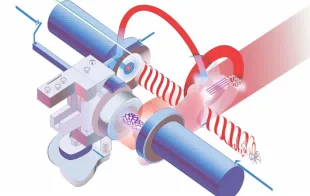
Optical Parametric Chirped Pulse Amplification (OPCPA)
Overcoming the constraints of conventional gain media, OPCPA delivers wavelength-tunable, high-power amplification of ultrashort pulses.
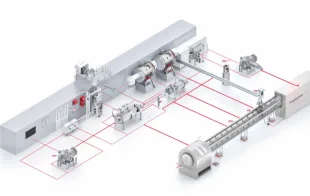
Synchrotron Locking and Synchronization
Precisely synchronizing the ultrafast laser with large-scale facilities (such as free-electron lasers) to enable pump-probe experiments.
High-Energy Physics and Attosecond Science
View category →High-energy physics and attosecond science represent two of the most exciting and cutting-edge application fields of ultrafast laser sources. Together, they aim to explore the behavior of matter at extreme temporal (attosecond, 10⁻¹⁸ s) and spatial (atomic) scales, offering unprecedented time-resolved "cameras" to observe electron dynamics and atomic–molecular motion. This field not only drives fundamental scientific breakthroughs but also fosters key technologies such as terahertz generation, high-order harmonic generation (HHG), X-ray generation, and nonlinear optics. The synergy between high-energy physics and attosecond science is realized through extreme nonlinear interactions of intense femtosecond lasers with matter—whether gases, solids, or plasmas—producing broadband coherent light from terahertz to X-ray wavelengths, thereby providing novel probing tools for materials research. Currently, this field is experiencing rapid growth. Continuous advances in HHG, terahertz and X-ray generation, and nonlinear optics are steadily expanding the frontiers of our ability to observe and understand the microscopic world.
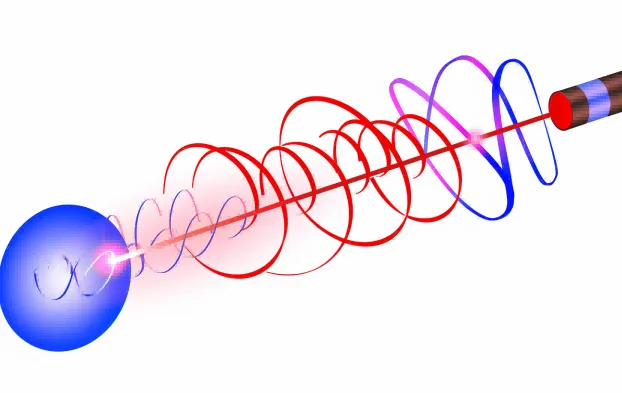
Terahertz Generation
Terahertz generation refers to the production of electromagnetic radiation in the 0.1–10 THz frequency range, typically achieved through nonlinear optical processes such as optical rectification or photoconductive emission. It has become a powerful tool in time-resolved spectroscopy, non-destructive inspection, and ultra-broadband communication.
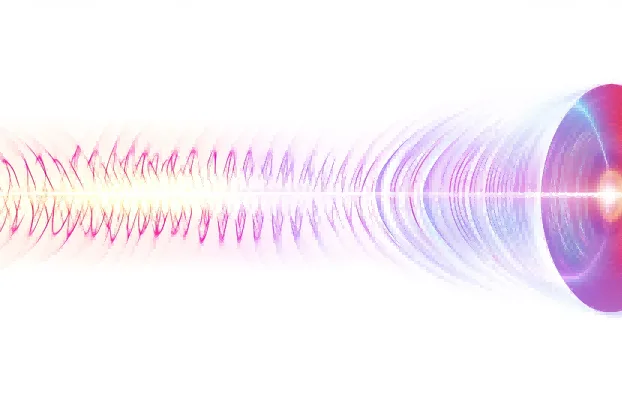
High-Harmonic Generation
Attosecond Pulse Generation、Extreme Ultraviolet (XUV) Light Sources
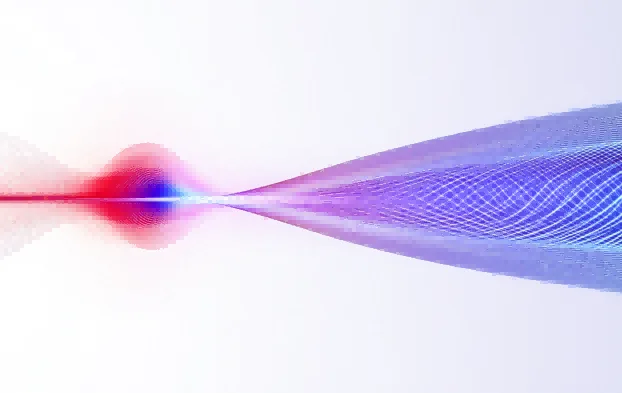
X-Ray Generation
Crystallography, Medical Imaging, and Materials Science
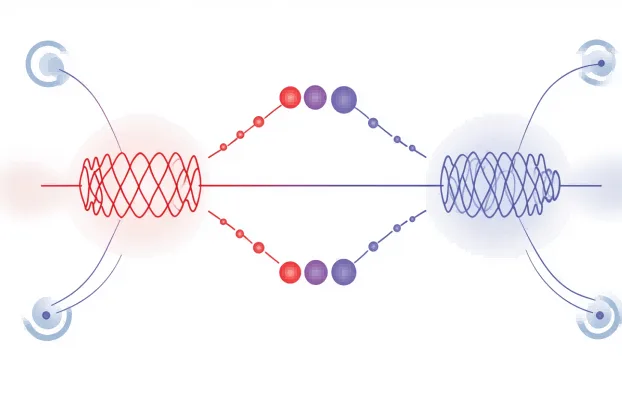
Nonlinear Optics
Ultrafast Spectroscopy and Quantum Control
Ultrafast Spectroscopy
View category →Ultrafast spectroscopy is an experimental technique that uses ultrashort laser pulses to study how matter responds to photoexcitation on timescales as short as femtoseconds (10⁻¹⁵ s) or even attoseconds (10⁻¹⁸ s). In the 1980s, with the successful development of femtosecond lasers, Ahmed Zewail and his colleagues achieved the first real-time observation of chemical reactions with femtosecond time resolution, marking the birth of modern ultrafast spectroscopy. This technique is primarily employed to explore ultrafast dynamic processes such as electronic transitions, lattice vibrations, and energy transfer in molecules and atoms, and has important applications across a wide range of interdisciplinary frontiers, including physics, chemistry, materials science, and biology.
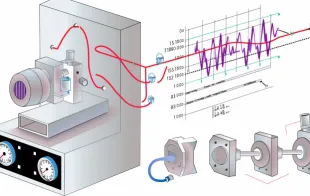
Transient Absorption Spectroscopy
Transient absorption spectroscopy is a pump-probe technique that measures time-resolved changes in the absorption spectrum of a sample following photoexcitation, providing direct insight into excited-state dynamics and relaxation pathways.
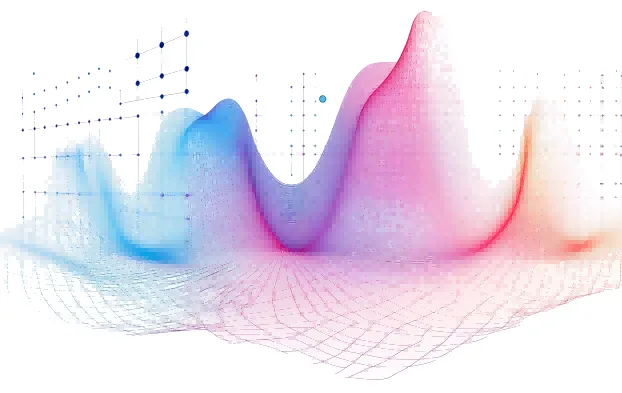
Two-Dimensional Infrared Spectroscopy
Two-dimensional infrared (2D-IR) spectroscopy is a nonlinear technique that spreads the vibrational response of molecules across two frequency dimensions, revealing couplings between vibrational modes and their dynamic evolution on ultrafast timescales.
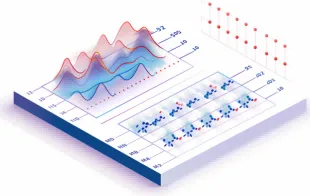
Two-Dimensional Electronic Spectroscopy
Two-dimensional electronic spectroscopy (2DES) extends the 2D-IR concept to electronic transitions, using femtosecond pulse sequences to map the excitation–emission correlation and detect energy transfer, exciton dynamics, and quantum coherence in complex systems.
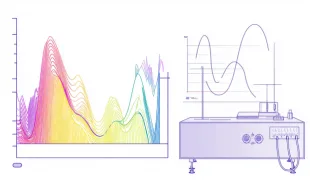
Femtosecond Stimulated Raman Spectroscopy
A time-resolved vibrational spectroscopy technique that uses a femtosecond pump pulse to initiate dynamics and a narrowband Raman probe to detect vibrational coherence with high temporal and spectral resolution.
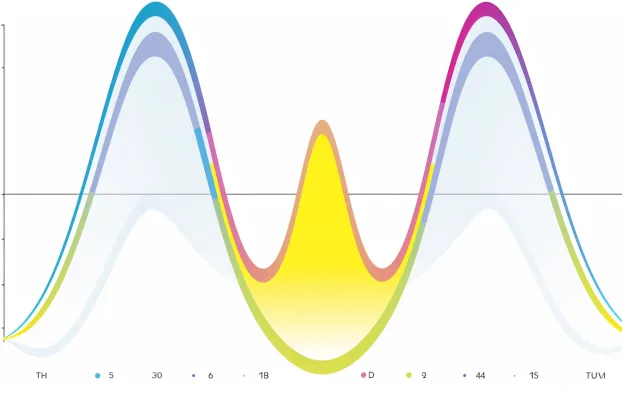
Time-Resolved Fluorescence Spectroscopy
A technique that measures the time-dependent decay of fluorescence emission after pulsed excitation, providing direct access to excited-state lifetimes, energy transfer, and solvent relaxation dynamics.
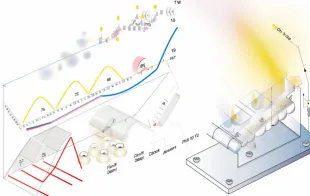
Flash Photolysis
A classical technique invented by Norrish and Porter in which a high-intensity light pulse initiates photochemical reactions, followed by a delayed probe pulse to monitor transient intermediates and reaction kinetics.
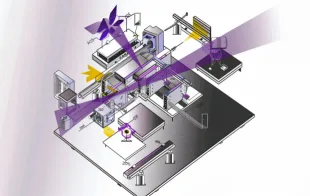
Sum-Frequency Generation Spectroscopy
A surface-specific vibrational spectroscopy technique that uses the nonlinear mixing of visible and infrared pulses to probe molecular orientation and structure at interfaces with submonolayer sensitivity.
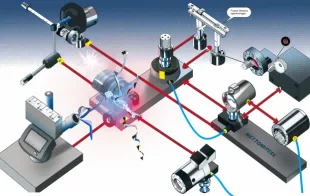
Transient Grating Spectroscopy
A four-wave mixing technique in which two pump pulses create an interference grating in the sample, and a probe beam diffracts from this grating to monitor ultrafast dynamics such as carrier diffusion, acoustic phonon propagation, and energy transfer.
Ultrafast Microscopy
View category →Ultrafast microscopy is a cutting-edge scientific tool that integrates ultrafast laser technology with microscopic imaging techniques. It is designed to simultaneously achieve extremely high temporal resolution (from femtoseconds to attoseconds) and spatial resolution (from nanometers to submicrometers), enabling real-time observation of ultrafast dynamic processes in the microscopic world. The advancement of this field has, for the first time, allowed humanity to "film" the trajectories of atoms, molecules, electrons, and other microscopic particles on ultrafast timescales, playing an indispensable role across a wide range of disciplines—including physics, chemistry, materials science, and the life sciences.
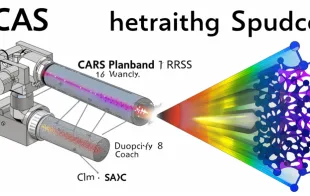
CARS and SRS Microscopy
A nonlinear vibrational imaging technique that uses a pump–Stokes–probe four-wave mixing process to generate a resonant anti-Stokes signal, enabling label-free chemical mapping with high speed and intrinsic vibrational contrast.
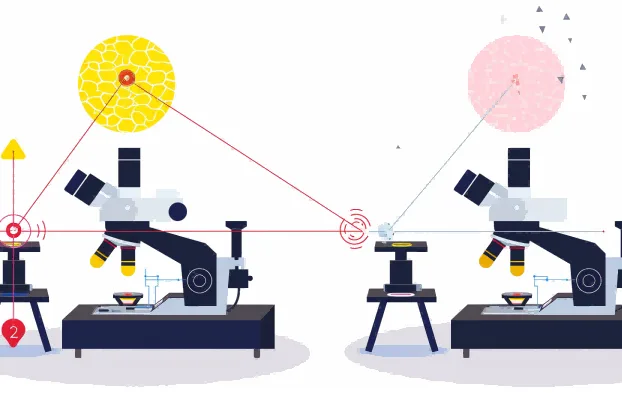
Ultrafast Electron Microscopy
A technique that combines femtosecond laser excitation with pulsed electron beams to image transient structural dynamics (e.g., lattice vibrations, phase transitions) with both sub-picosecond temporal resolution and nanometer spatial resolution.
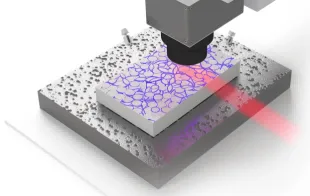
Three-Photon Microscopy
A deep-tissue imaging technique that uses three near-infrared photons for simultaneous excitation, significantly reducing scattering and background fluorescence, enabling high-resolution imaging at depths beyond the reach of two-photon microscopy.
Ultrafast Micro- and Nano-Machining
View category →Ultrafast micro- and nano-machining uses femtosecond or picosecond laser pulses to precisely process materials at the micron-to-nanometer scale. The extremely short interaction time minimizes thermal diffusion and heat-affected zones, enabling "cold processing" of brittle, transparent, and heat-sensitive materials, with key applications ranging from precision cutting and drilling to 3D structuring and surface functionalization.
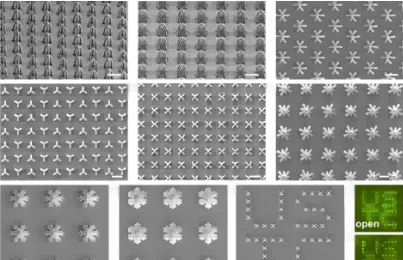
Surface Micro/Nano Structures
Surface micro- and nanostructures refer to precisely patterned features on material surfaces at the micron or nanometer scale, which are fabricated by ultrafast laser processing to endow surfaces with customized optical, wetting, adhesion, or tribological properties.
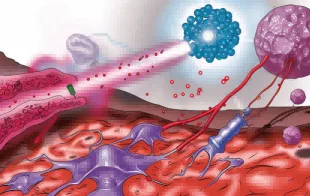
Laser–Tissue Interaction
Laser–tissue interaction studies the photophysical and photochemical effects of laser light on biological tissues—including absorption, scattering, ablation, and coagulation—providing the physical foundation for laser surgery, phototherapy, and biomedical diagnostics.
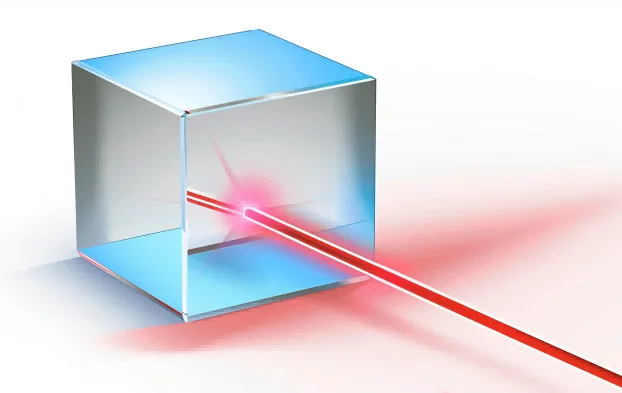
Volume Modification
Volume (or bulk) modification refers to the permanent alteration of material properties—such as refractive index, density, or chemical structure—within the interior of a transparent material (e.g., glass or crystal) induced by focused ultrafast laser pulses, enabling 3D photonic devices, optical data storage, and microfluidic components.
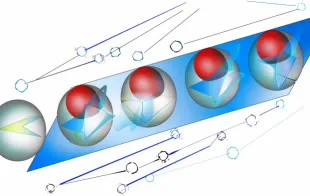
Color-Center Formation
Color center formation refers to the generation of point defects in transparent crystals or glass materials—typically induced by femtosecond laser irradiation or high-energy radiation—which create localized absorption bands and are exploited in solid-state laser gain media, optical data storage, and quantum memory applications.
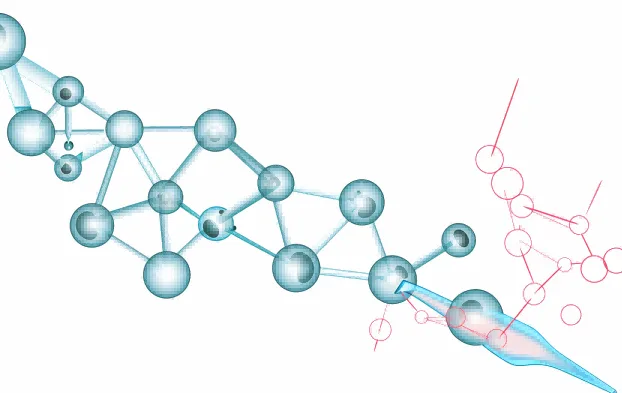
Photoinduced Photopolymerization
Light-induced photopolymerization is a process in which absorption of light (typically ultraviolet or femtosecond laser radiation) generates reactive species (radicals or cations) from photoinitiators, initiating crosslinking or chain-growth polymerization—forming solid 3D structures with high spatial resolution—and serves as the core mechanism for two-photon polymerization (TPP) microfabrication.
Industrial Processing
View category →Industrial processing with ultrafast lasers utilizes high-power femtosecond or picosecond pulses for precision manufacturing tasks such as cutting, drilling, marking, surface structuring, and welding. The ultra-short pulse duration minimizes thermal damage and enables sub-micrometer precision, making it ideal for high-value applications in automotive, semiconductor, medical device, aerospace, and consumer electronics industries.
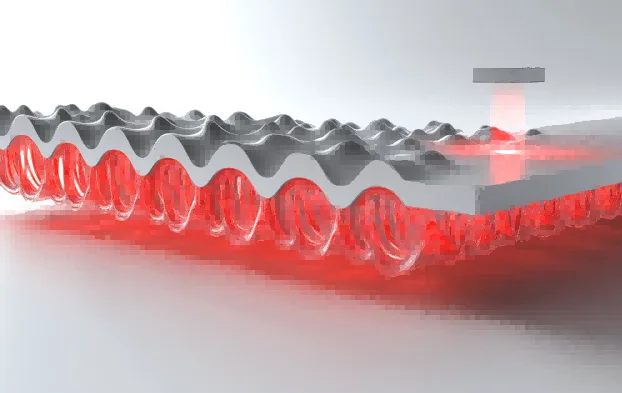
Laser-Induced Periodic Surface Structures (LIPSS)
Periodic surface structures refer to regular, repeated patterns—typically with sub-wavelength or micro-scale periods—formed on material surfaces by ultrafast laser irradiation, often via interference or self-organization effects. These structures are widely used to tailor surface properties such as wettability, color, antireflectivity, and friction.
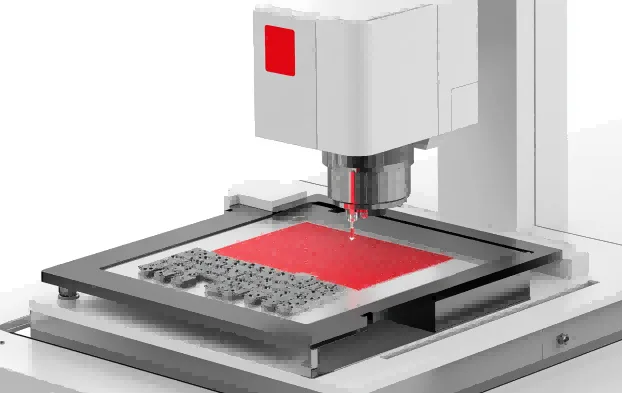
Precision Parts Cutting
Precision component cutting uses ultrafast lasers to produce high-quality cuts in complex, miniaturized parts—such as stents, gears, sensors, and microelectronic packages—with minimal kerf width, reduced recast layer, and negligible thermal damage, ensuring tight tolerances and high edge quality.
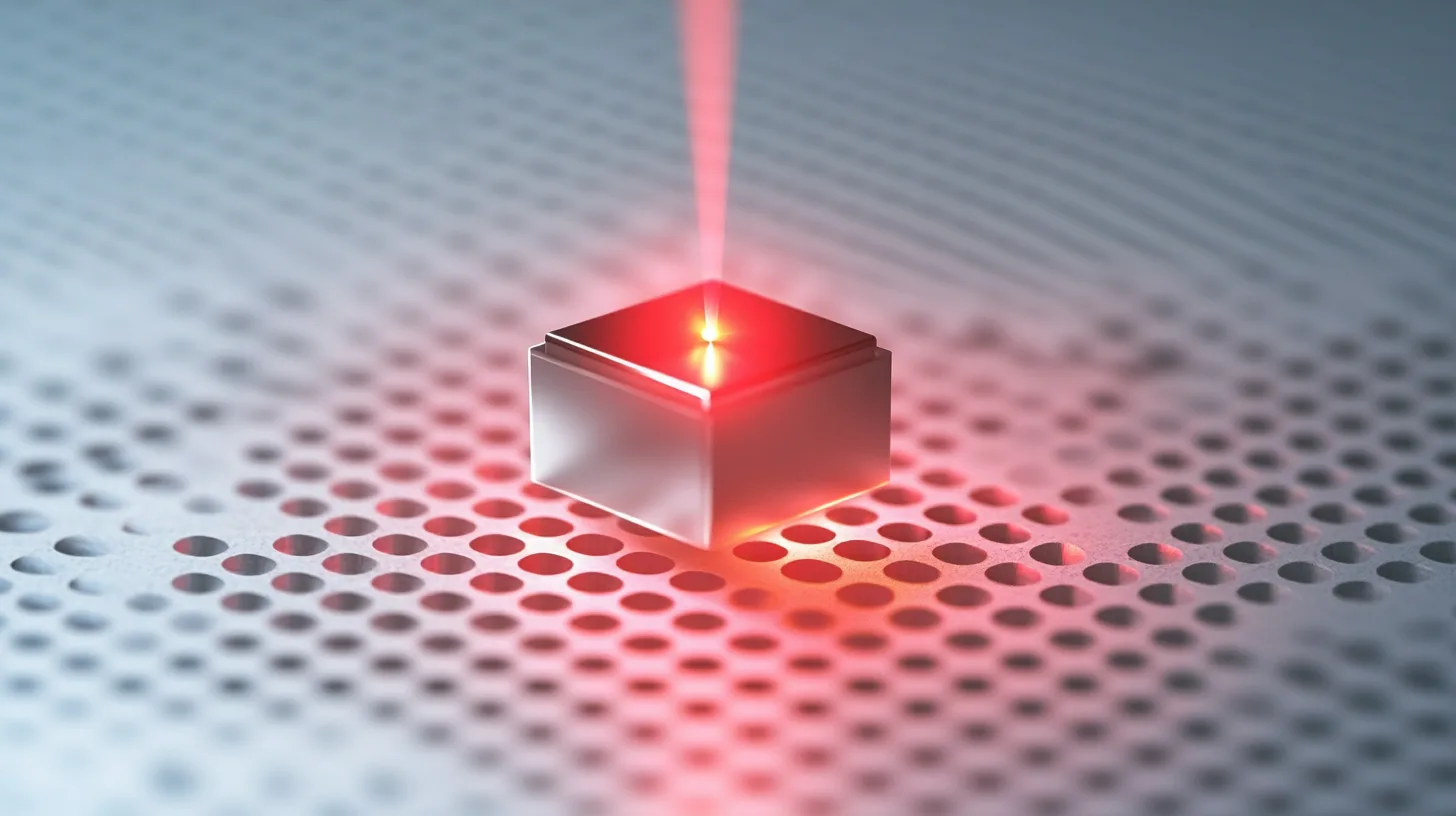
Polymer / Metal Polishing
Ultrafast laser polishing is a non-contact finishing technique that removes micro-scale surface asperities from polymers and metals through controlled ablation or melting, dramatically reducing surface roughness (Ra) while preserving the geometric integrity of the component—making it ideal for precision molds, medical implants, and optical components.
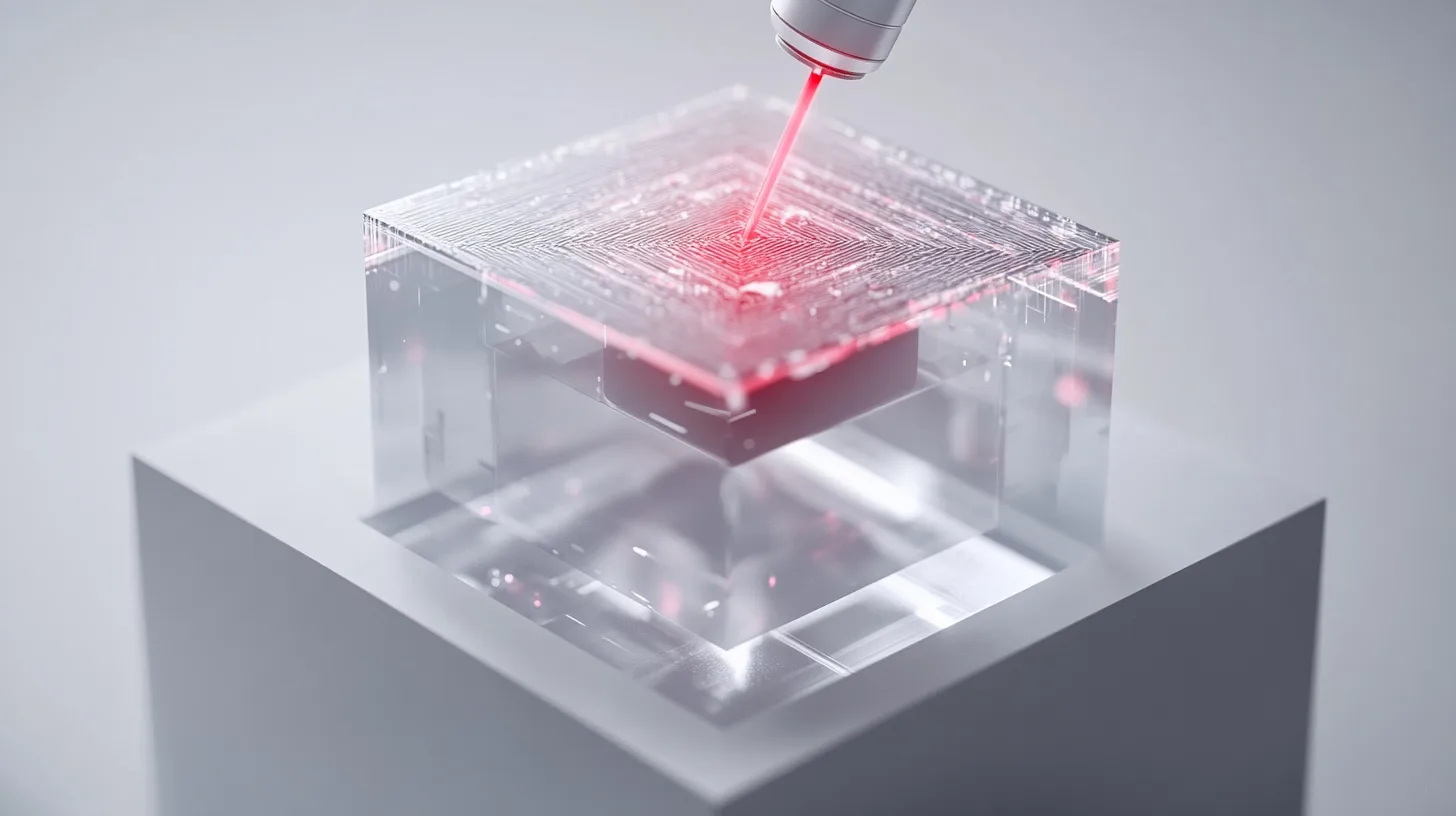
Milling of Complex 3D Structures
Milling of complex 3D structures using ultrafast lasers involves layer-by-layer material removal via controlled ablation to fabricate intricate, freeform three-dimensional geometries such as microfluidic channels, nozzles, and turbine blades. This technology enables high design flexibility and sub-micrometer accuracy in advanced manufacturing.
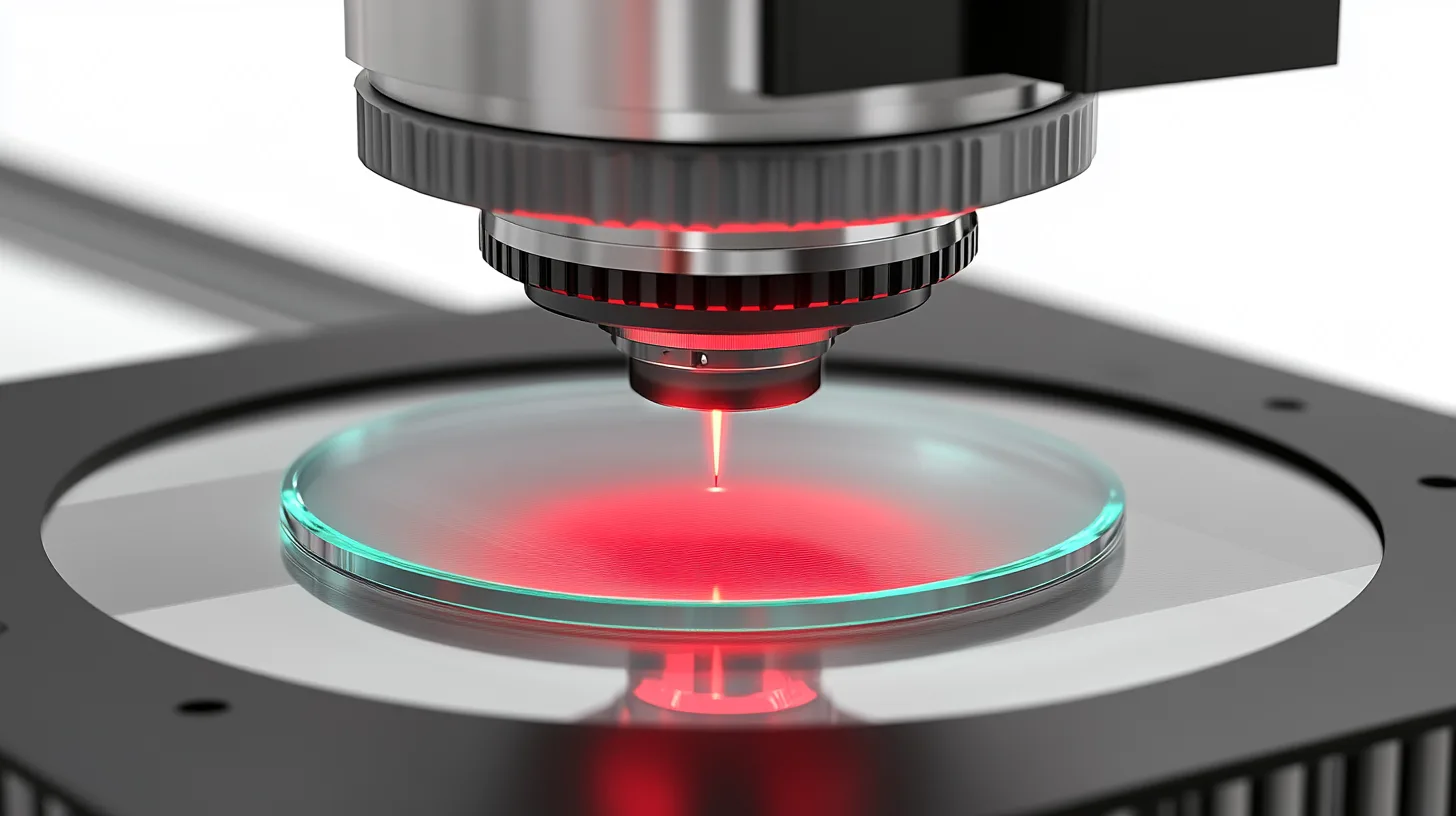
Glass Drilling
Ultrafast laser drilling of glass employs high-intensity femtosecond or picosecond pulses to create high-aspect-ratio, tapered, or straight-through holes with negligible chipping and micro-cracking. This method is widely used in consumer electronics, medical devices, and optical component manufacturing, where conventional mechanical drilling often fails due to glass brittleness.
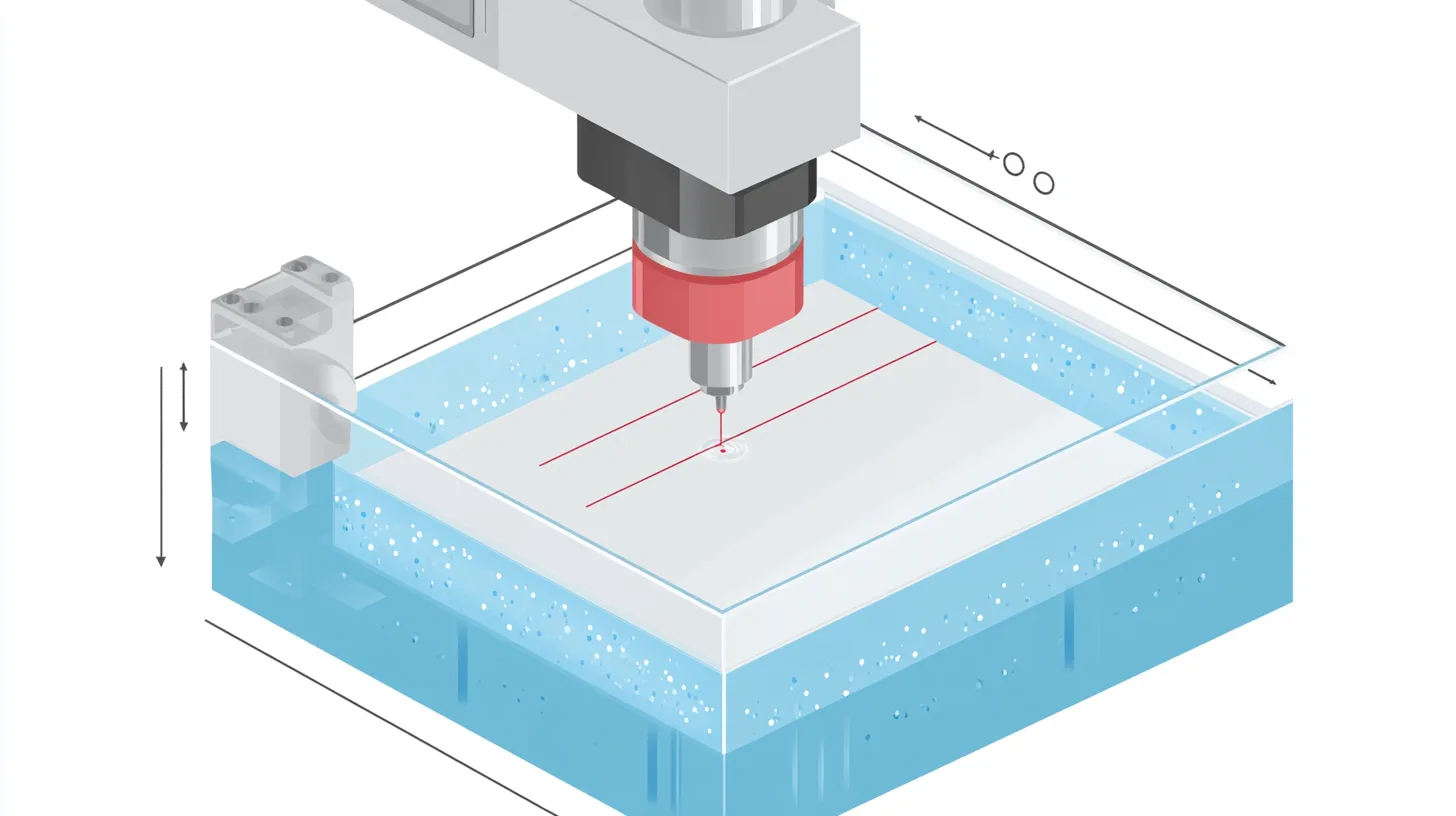
Glass Cutting
Ultrafast laser glass cutting uses focused femtosecond pulses to create internal modification lines within transparent glass, enabling controlled separation along predetermined paths with minimal edge chipping and exceptional edge quality. This technology has become indispensable in the production of thin glass displays, MEMS packaging, and optical windows.

Stent Cutting
Stent cutting utilizes femtosecond or picosecond lasers to precisely machine fine strut patterns from thin-walled metal tubes, achieving high precision and virtually zero thermal damage, which is essential for manufacturing cardiovascular and peripheral vascular stents.
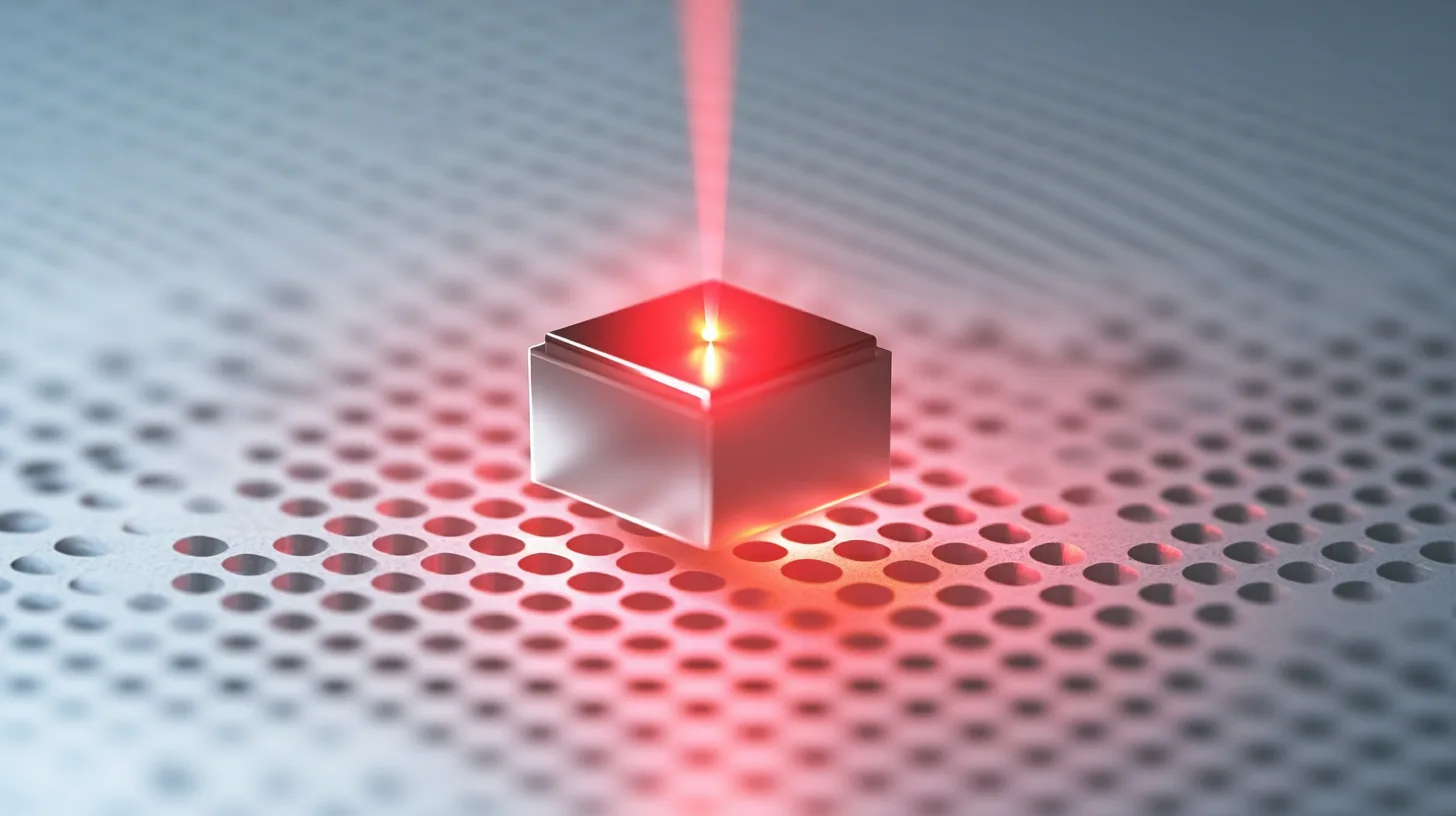
Stainless Steel Polishing
Ultrafast laser polishing of stainless steel removes surface asperities through controlled ablation, significantly reducing surface roughness (Ra) while preserving the part's mechanical integrity and corrosion resistance. This technique has become an important complement to traditional mechanical and electrochemical polishing in the medical and industrial sectors.
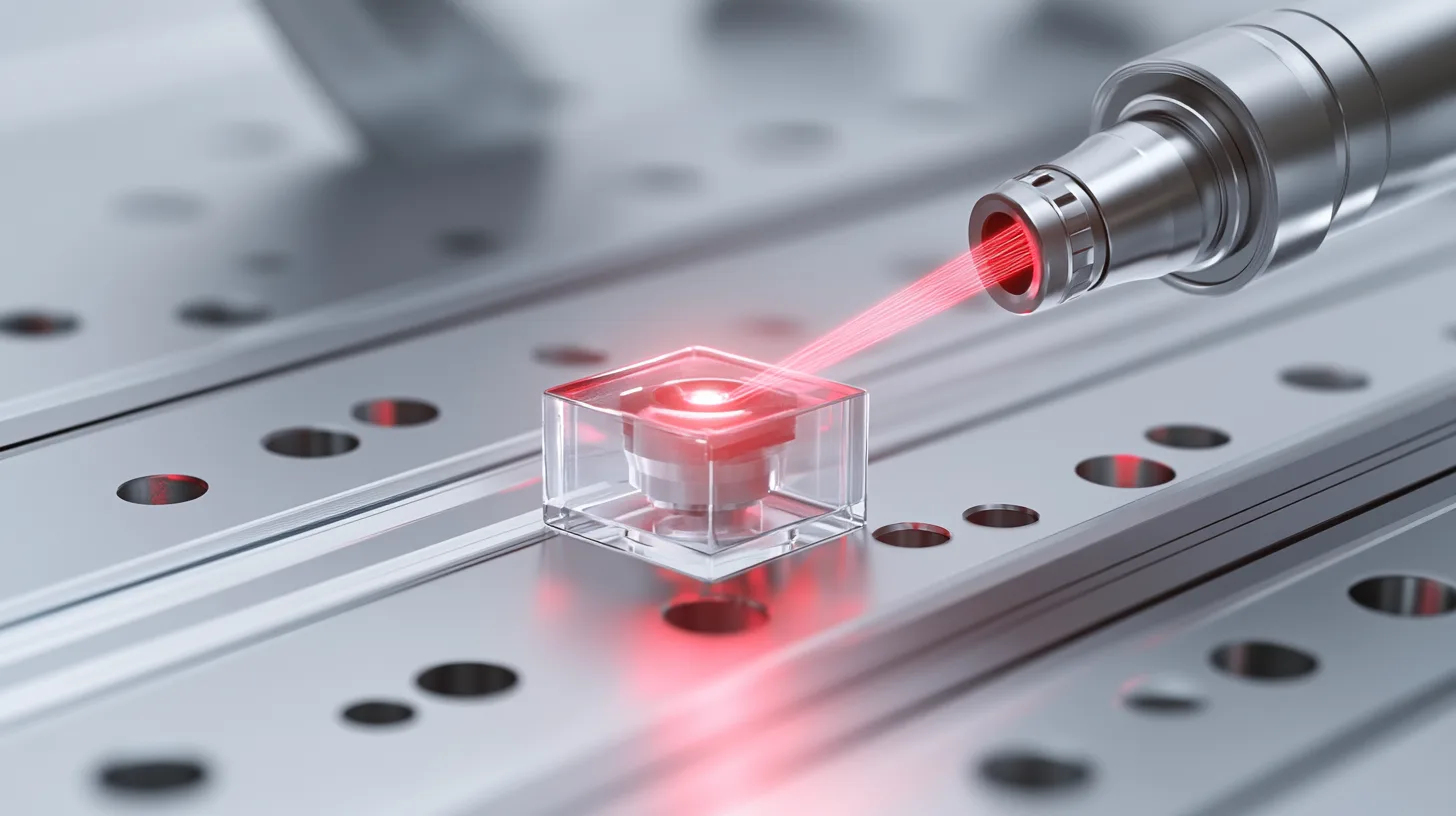
Selective Ablation
Selective ablation refers to the precise removal of material from targeted regions without affecting the surrounding areas, achievable in ultrafast laser processing through fine energy control, wavelength selection, or multi-photon absorption. This capability is crucial for functional layer removal, precision patterning, and tissue microsurgery.
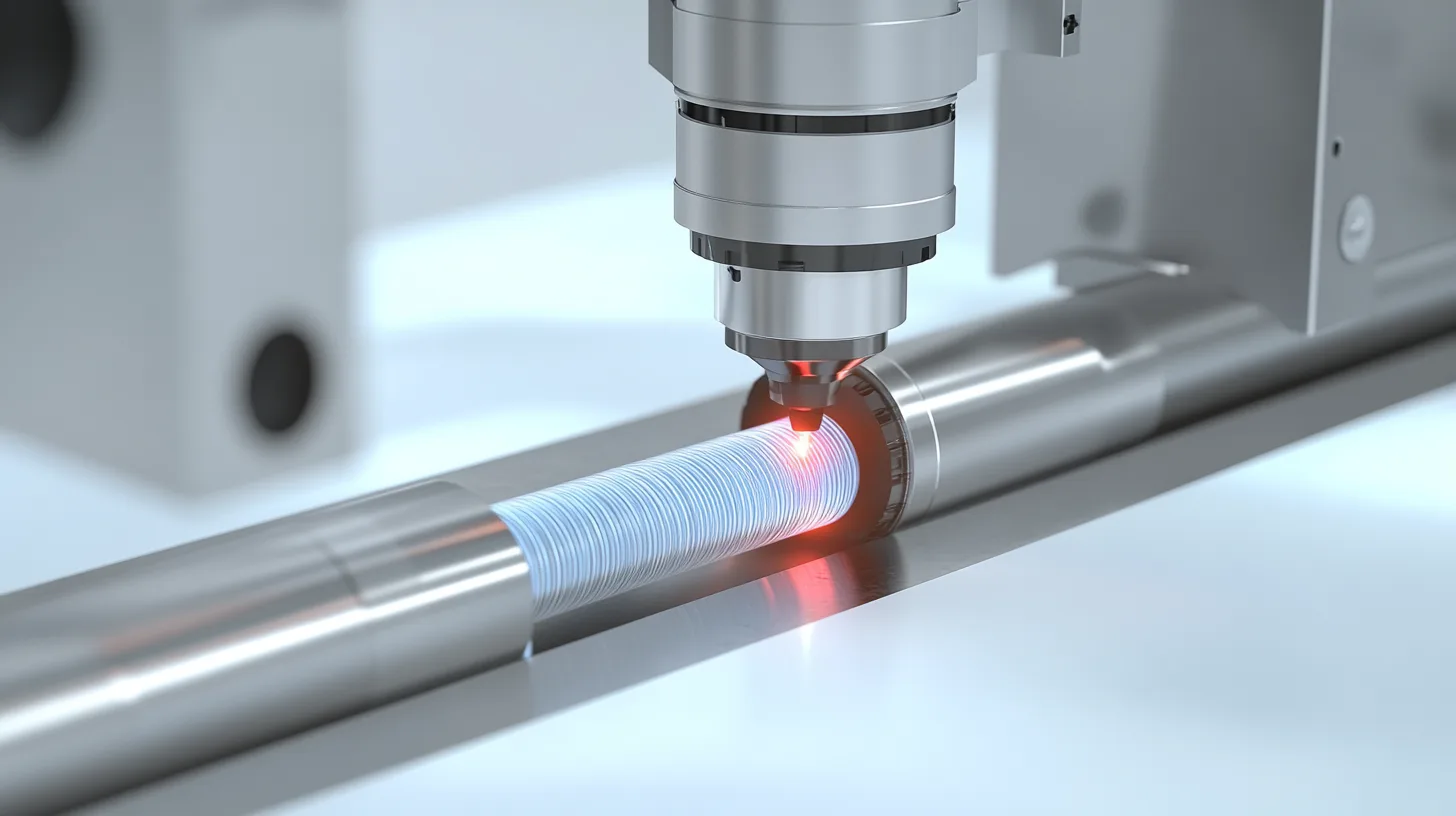
Fiber Cutting
Optical fiber cutting using ultrafast lasers enables clean, high-quality end-face cleaving of optical fibers with minimal surface roughness and no micro-cracks, essential for low-loss splicing and connectorization in telecommunications and sensor systems.
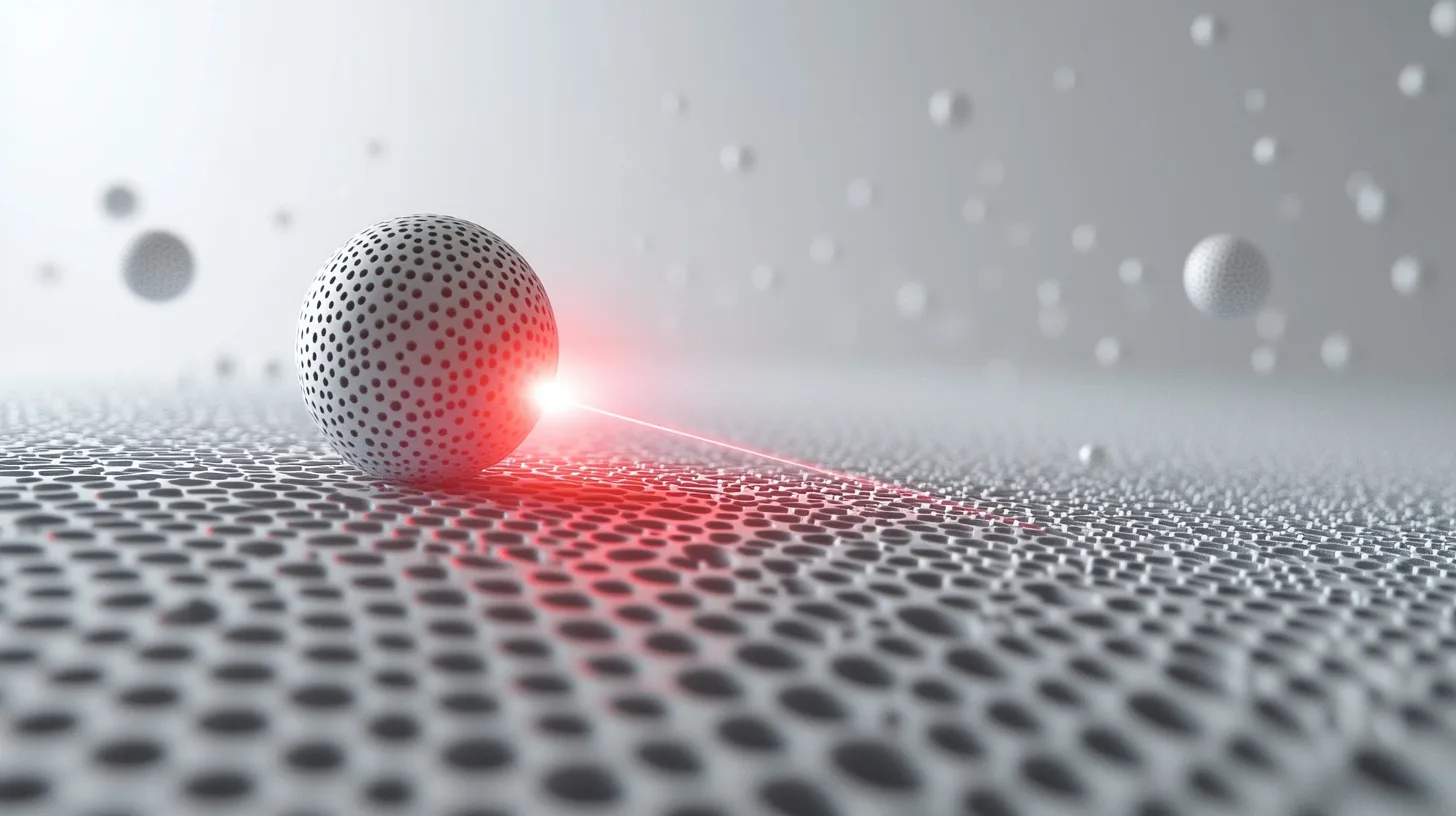
Conical Drilling
Conical or tapered drilling with ultrafast lasers refers to the precise fabrication of holes with controlled taper angles and smooth inner walls in hard and brittle materials, typically achieved by adjusting the laser incidence angle, beam focus, or using spiral scanning techniques. It is critical for injection nozzles, optical fiber alignment, and aerospace cooling holes.