Calculation Tools
Interactive calculators for ultrafast laser and nonlinear optics.
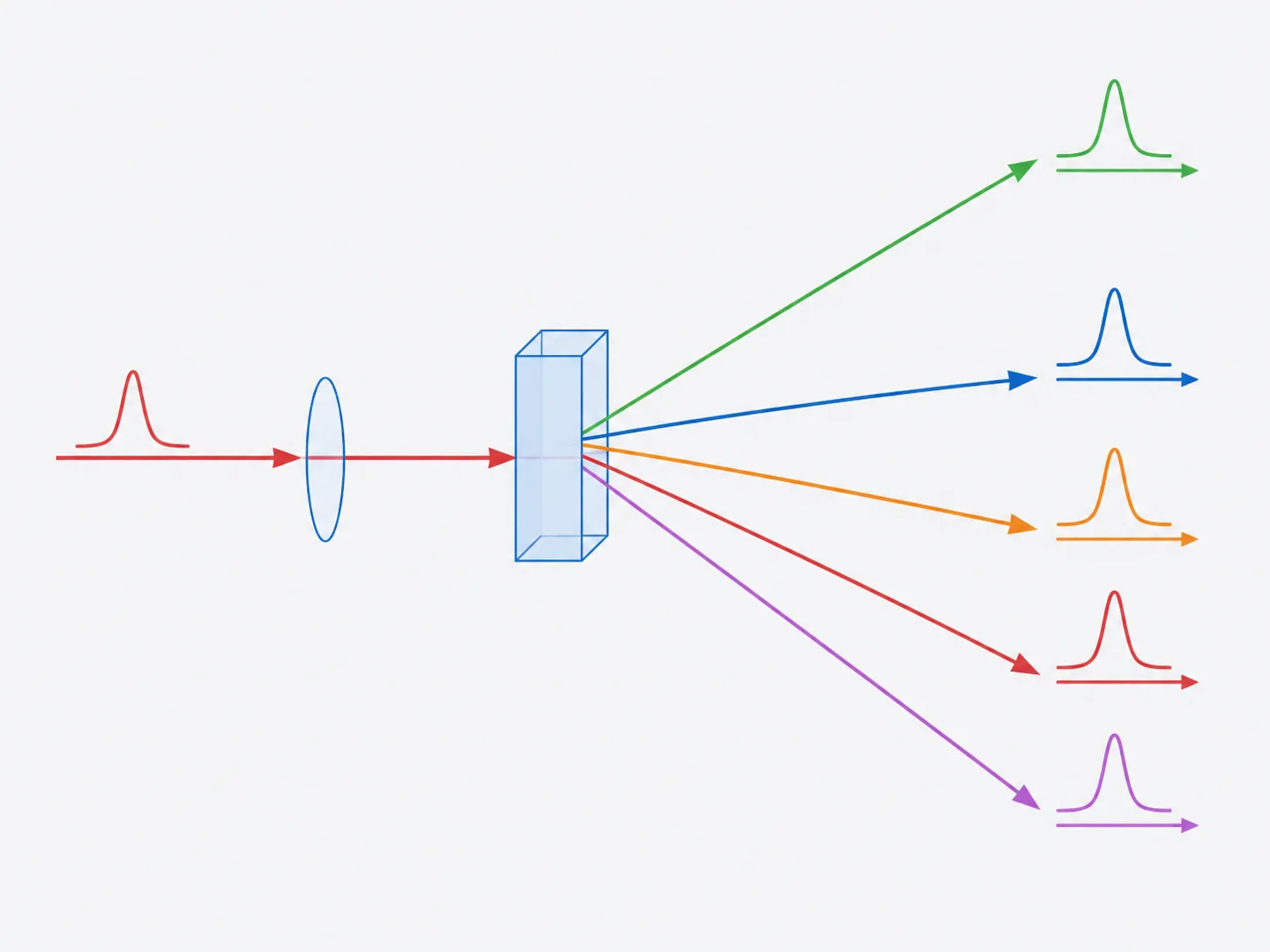
Common Conversions in Ultrafast Lasers
This section covers the fundamental conversions and calculations commonly used in ultrafast laser systems, including pulse duration, spectral bandwidth, chirp parameters, and time-bandwidth product. These conversions are essential for designing and characterizing ultrafast laser sources and their interaction with matter.
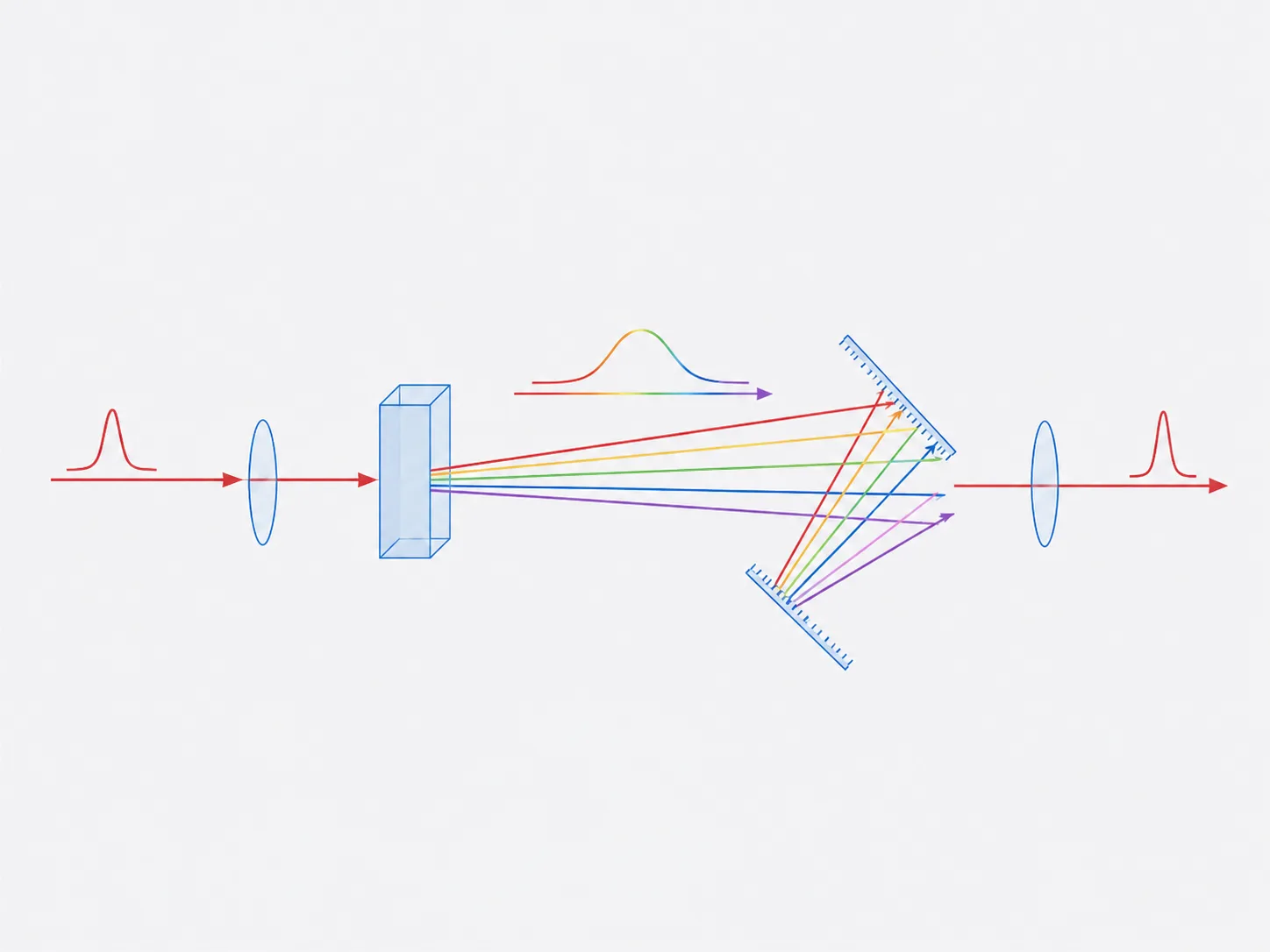
Dispersion Management
Dispersion management is critical for controlling pulse broadening and distortion in ultrafast laser systems. This section introduces key concepts such as group velocity dispersion (GVD), third-order dispersion (TOD), and the use of dispersion-compensating elements—including prism pairs, grating pairs, and chirped mirrors—to achieve optimal pulse compression and high peak power.
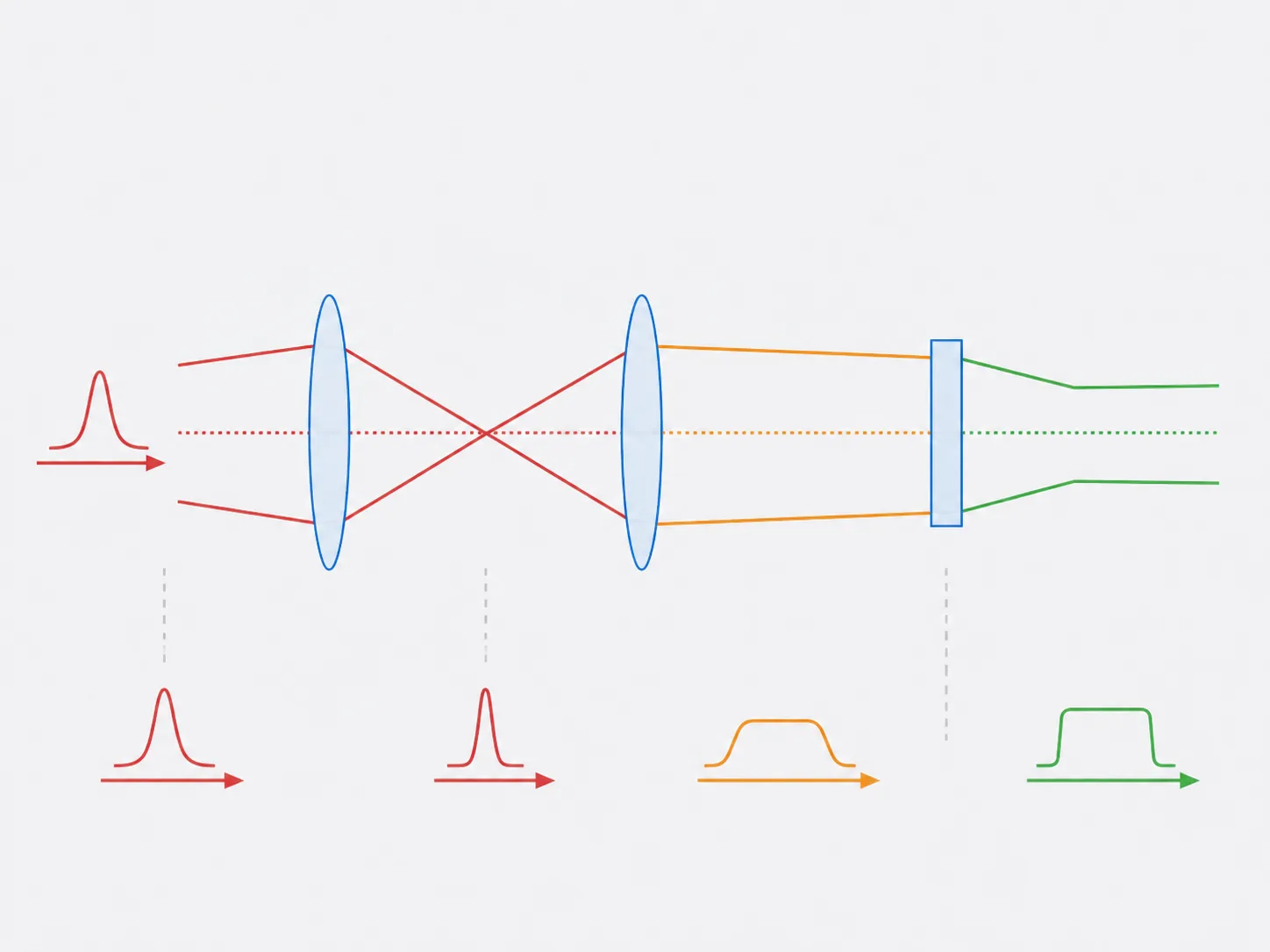
Spatial Characteristics and Spatial Transformations
Spatial characteristics describe the transverse intensity distribution of a laser beam—including beam spot size, M² factor, and transverse mode—while spatial transformations refer to optical manipulations such as beam shaping, filtering, and mode conversion to tailor the beam profile for specific applications.
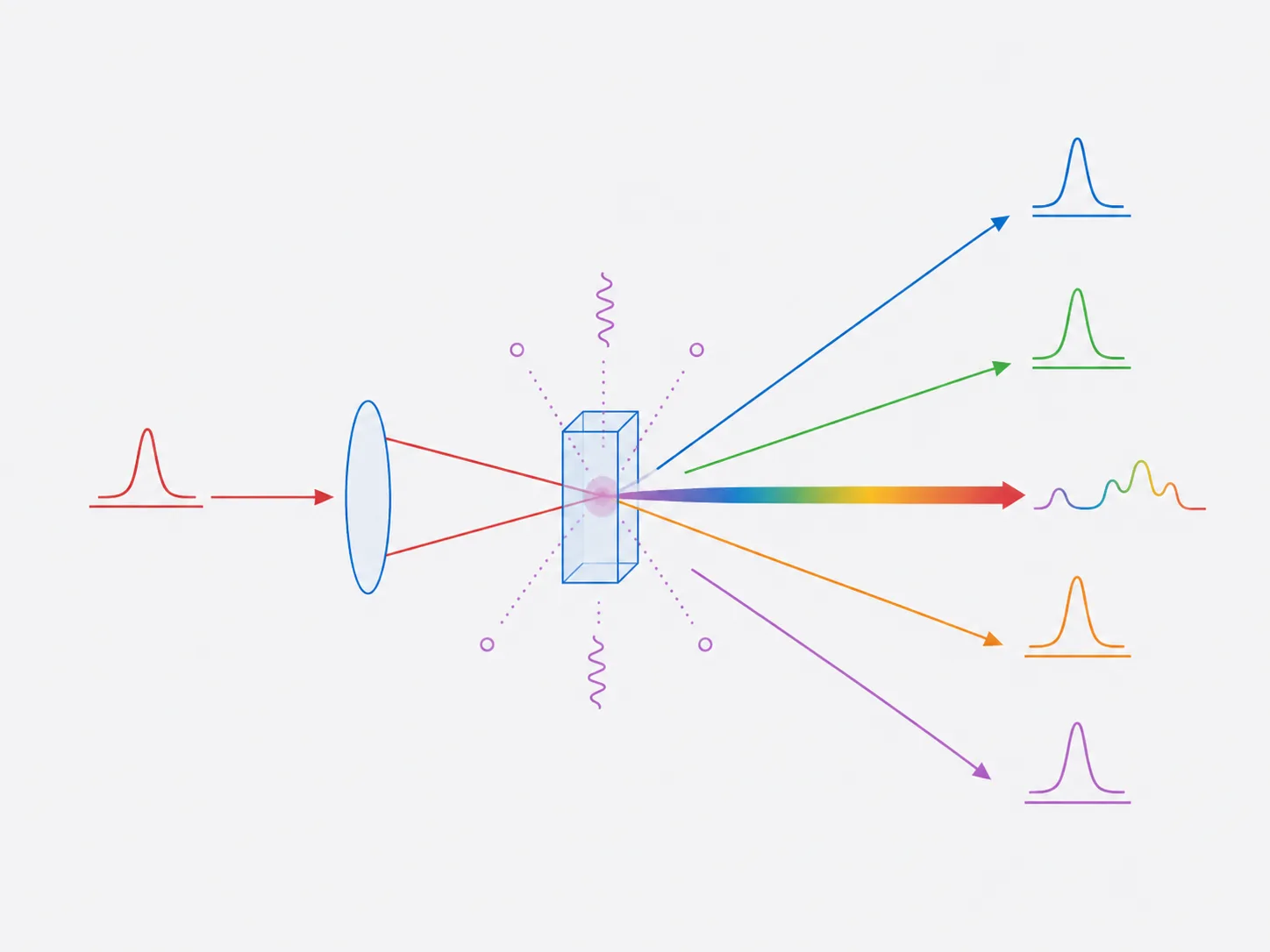
Nonlinear Optical Processes
Nonlinear optical processes occur when high-intensity ultrafast laser pulses interact with matter, causing a nonlinear material response that gives rise to phenomena such as frequency conversion (e.g., harmonic generation, optical parametric amplification), self-phase modulation, and high-order harmonic generation—forming the physical foundation for attosecond science, ultrafast spectroscopy, and precision microfabrication.