Spatial Characteristics and Spatial Transformations
Spatial characteristics describe the transverse intensity distribution of a laser beam—including beam spot size, M² factor, and transverse mode—while spatial transformations refer to optical manipulations such as beam shaping, filtering, and mode conversion to tailor the beam profile for specific applications.
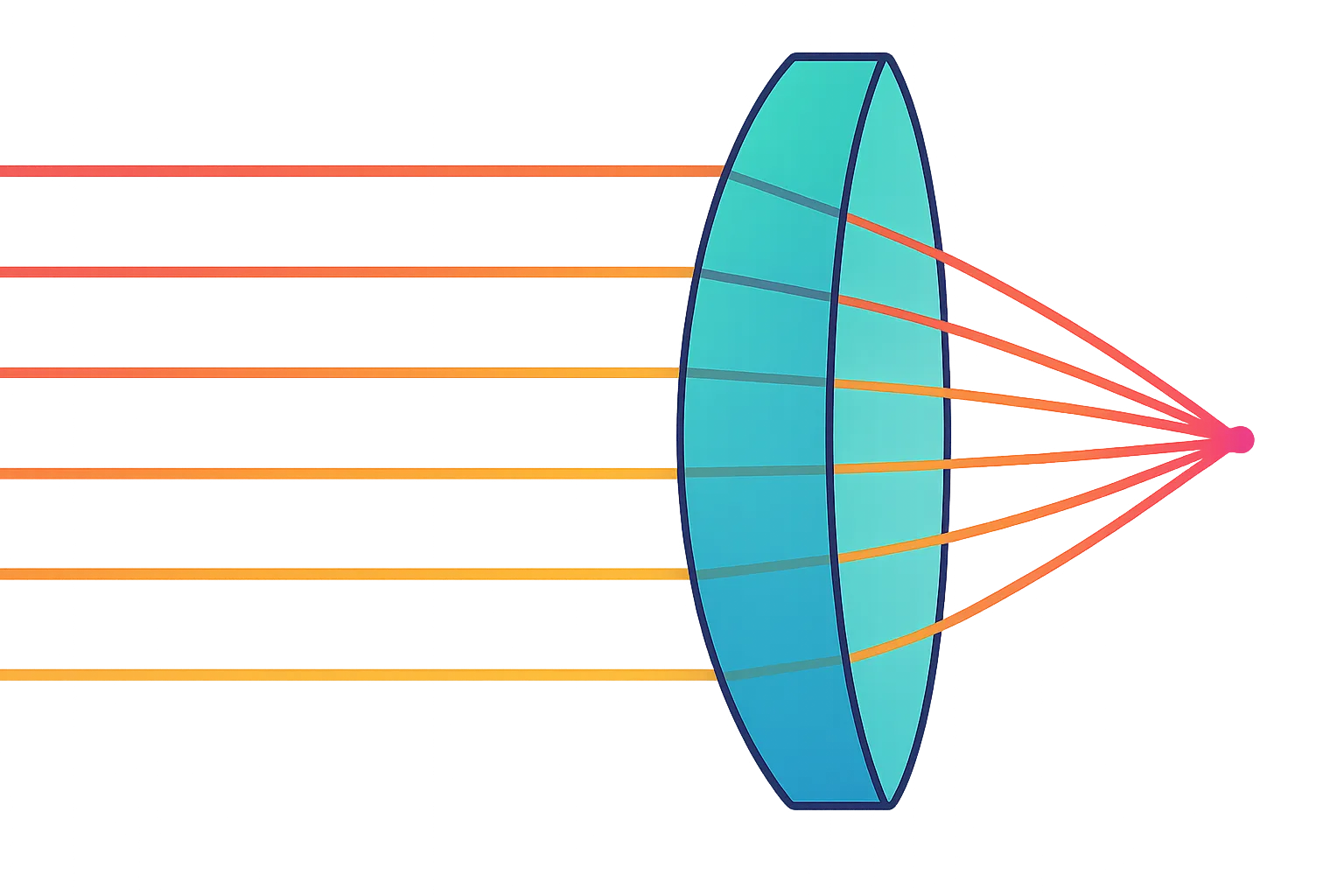
Estimation of Focused Spot Size by a Lens
Enter wavelength, beam size, and focal length—or simply the numerical aperture (NA)—to quickly compute the diffraction‑limited focused spot size. Ideal for ultrafast laser processing and optical system resolution evaluation.
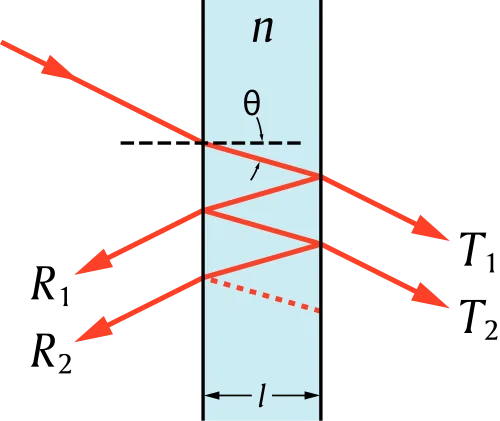
Finesse and Free Spectral Range of an Etalon
Enter etalon parameters to compute finesse, FSR, linewidth, angular/chromatic resolving power, and scan the rotation angle to obtain the transmission curve.
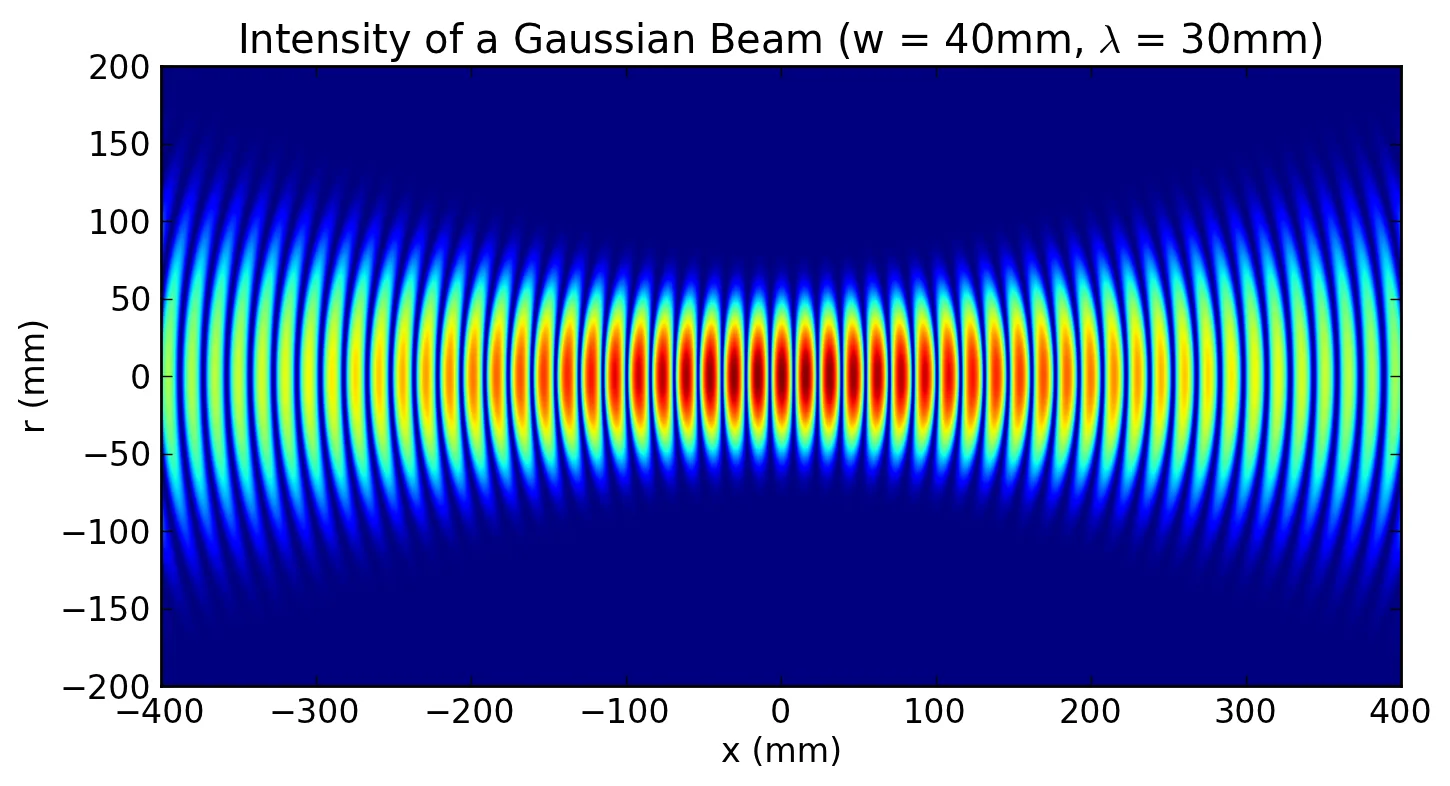
Spatial Distribution of a Gaussian Beam
Enter wavelength, waist radius, and propagation distance to quickly compute divergence angle, Rayleigh length, spot size, and wavefront curvature—ideal for laser focusing and optical system design.
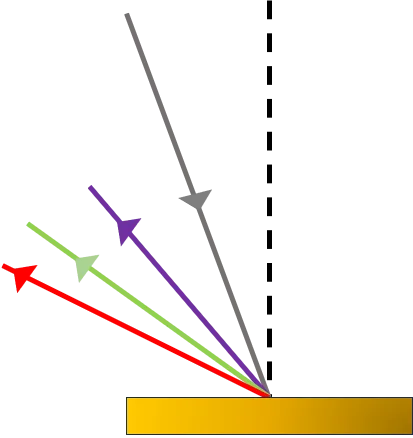
Spatial Dispersion of a Single Grating
This program calculates the spatial dispersion of a laser beam passing through a single grating. Functions: Calculates the diffraction angle, angular resolving power, linear resolving power, chromatic resolving power, and resolvable spectral line half-width of a single grating.
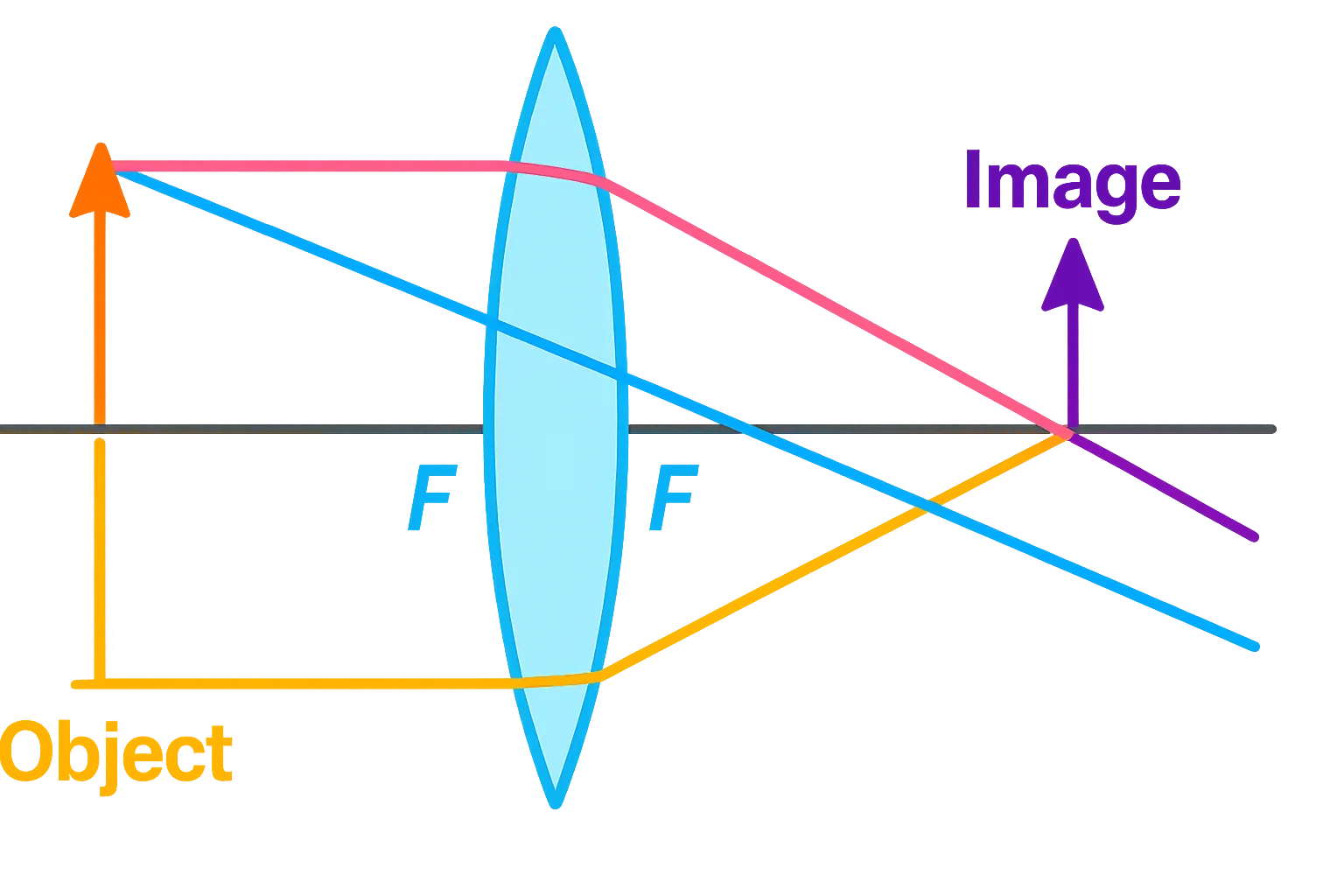
Single-Lens Imaging
This calculator will help you calculate the Relationship between object distance and image distance with one convex lens and magnification.
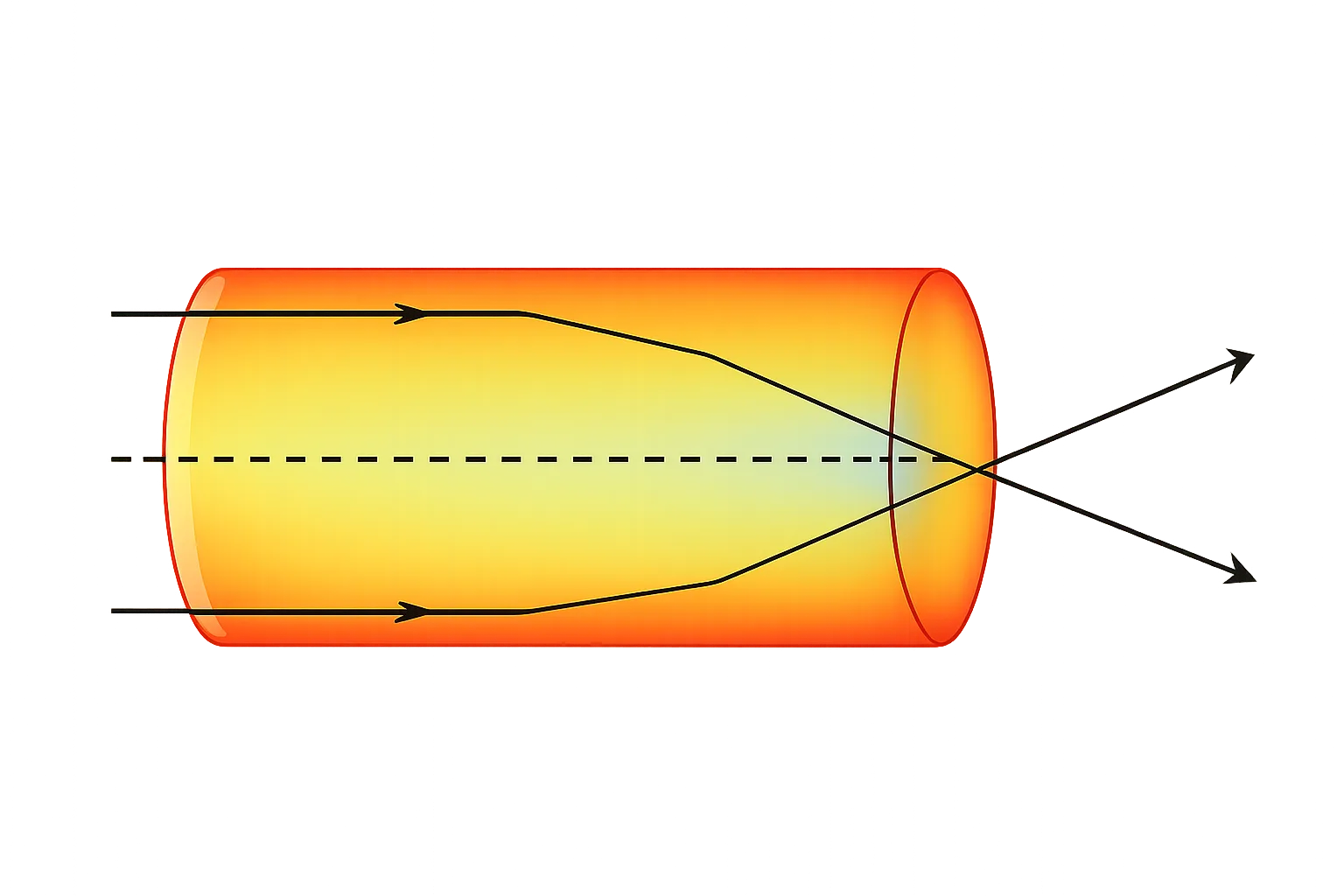
Thermal Lens Focal Length Calculation
Enter pump parameters and select a crystal material to quickly estimate the thermal lens focal length—ideal for thermal management and resonator design in solid‑state lasers.
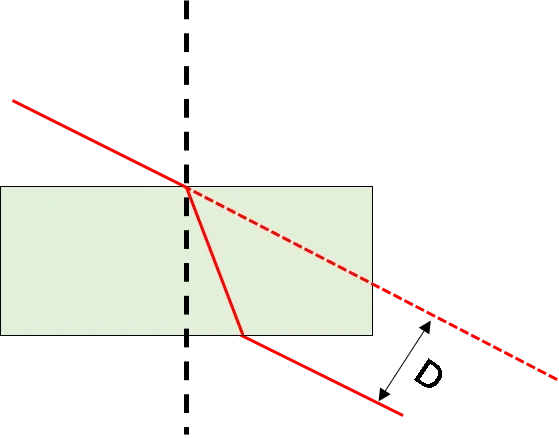
Beam Displacement in a Medium
Enter angle of incidence, refractive indices, and plate thickness to quickly calculate the lateral beam displacement through a parallel plate—ideal for precision optical design and alignment.
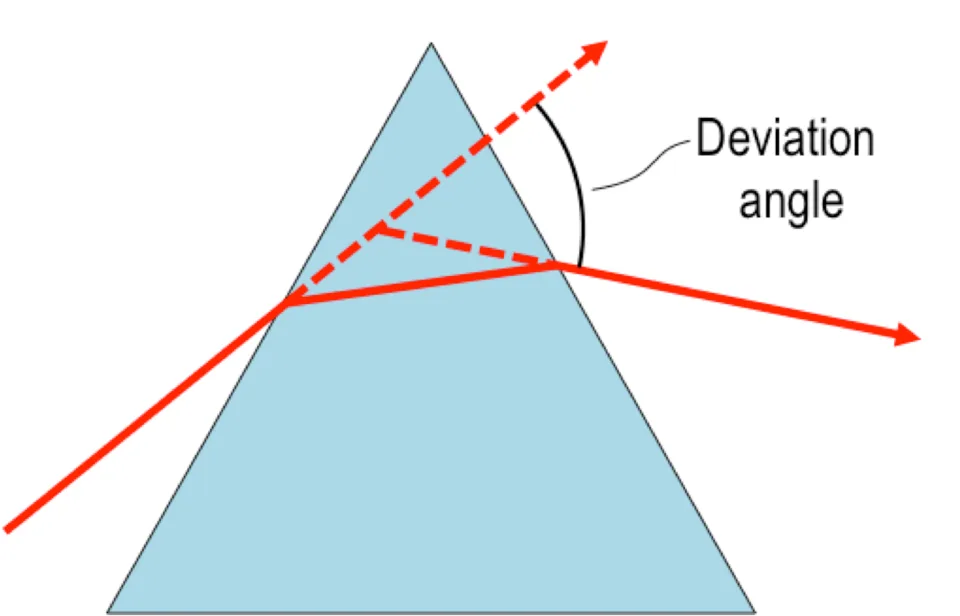
Minimum Deviation Angle of a Prism
This calculator will help you calculate the minimum deviation angle of (triangular) prisms with a certain wavelength.
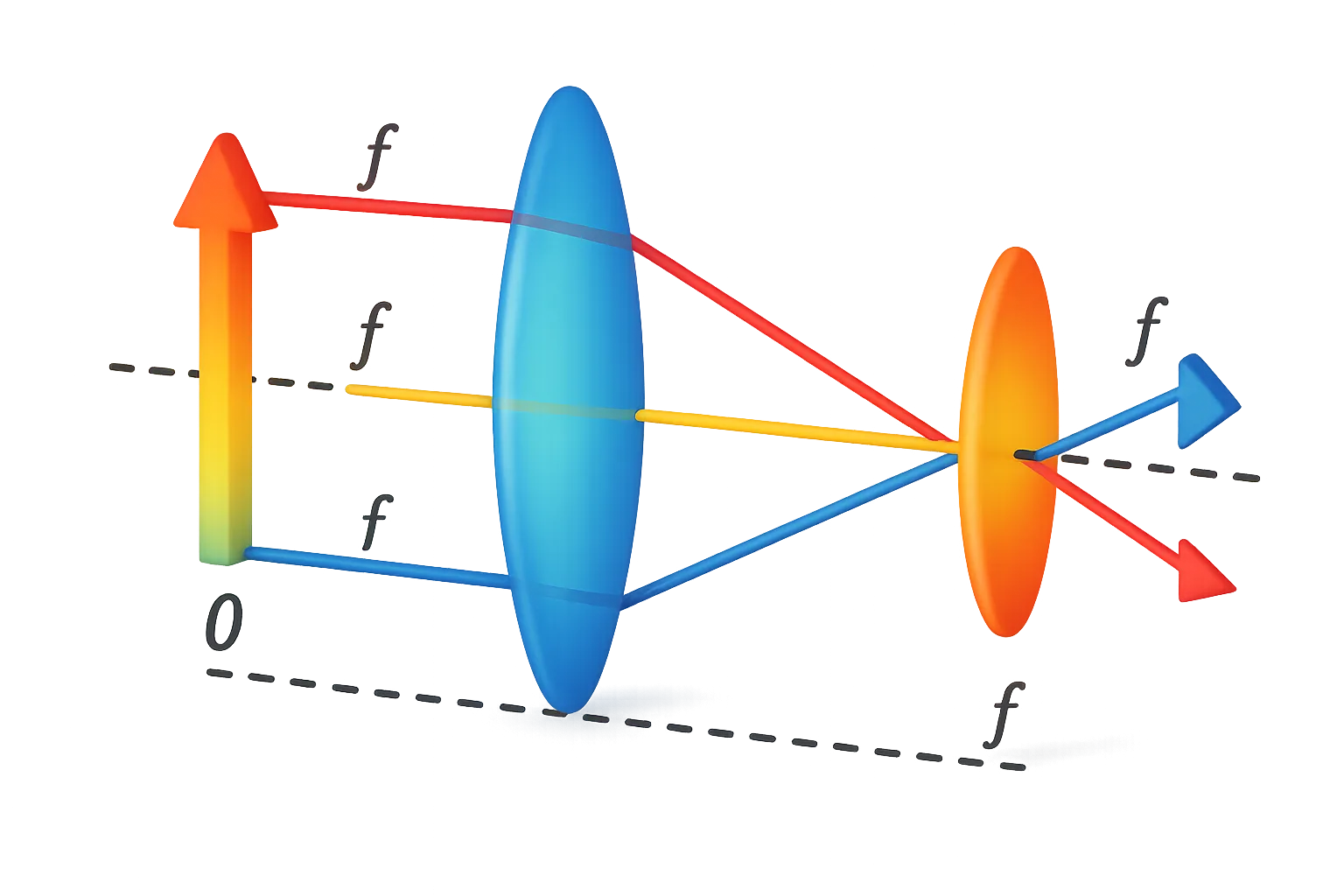
Two Positive Lens Imaging
Enter object distance, focal lengths, and lens separation to quickly compute image distance and total magnification—ideal for optical system design and educational demonstrations.

Calculation of Beam Projection on a Reflective Surface
This program calculates the projected size of a laser spot on a mirror after reflection at a given angle.
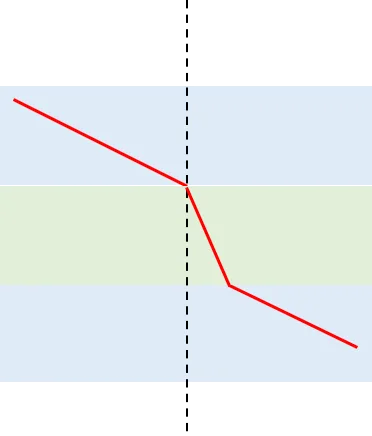
Demonstration of the Law of Refraction and Calculation of the Angle of Refraction
Select two materials and adjust the incident angle to observe the refracted ray path and refraction angle in real time—an intuitive way to understand Snell's law.
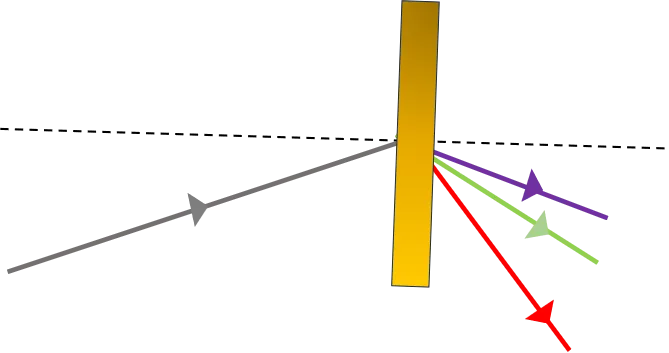
Schematic Diagram of the Diffraction Effect of a Transmission Grating
Adjust wavelength, groove density, and incidence angle to observe real‑time changes in the diffraction angle—an intuitive way to understand the dispersion principle of transmission gratings.