Volume Modification
Volume (or bulk) modification refers to the permanent alteration of material properties—such as refractive index, density, or chemical structure—within the interior of a transparent material (e.g., glass or crystal) induced by focused ultrafast laser pulses, enabling 3D photonic devices, optical data storage, and microfluidic components.
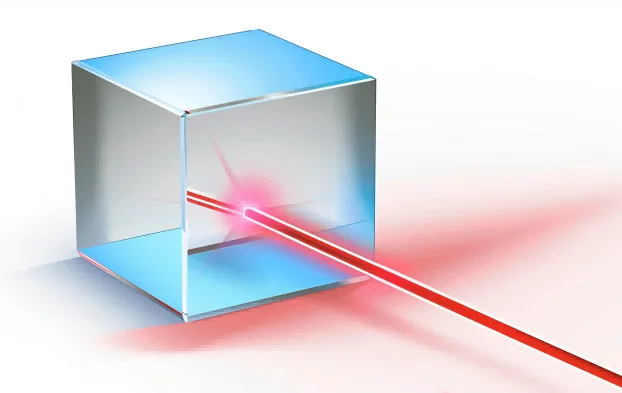
Volume modification refers to the technology of endowing a material with new physical, chemical, or optical properties by changing its internal structure. Such changes can involve the material’s chemical composition, physical state, or crystal structure. There are various methods to achieve volume modification, including heating, irradiation, or chemical treatment. Among these methods, using a femtosecond laser for volume modification is an extremely advanced and effective means. The laser pulses emitted by a femtosecond laser have an extremely short duration, usually on the femtosecond scale (10⁻¹⁵ s), while also having high peak power. This combination of ultrashort pulses and high peak power enables the femtosecond laser to produce precisely controlled energy deposition within the volume of a material without causing significant thermal damage to surrounding material. This energy deposition can cause melting, evaporation, chemical changes, or crystal-structure changes in local regions, achieving precise volume modification of the material.
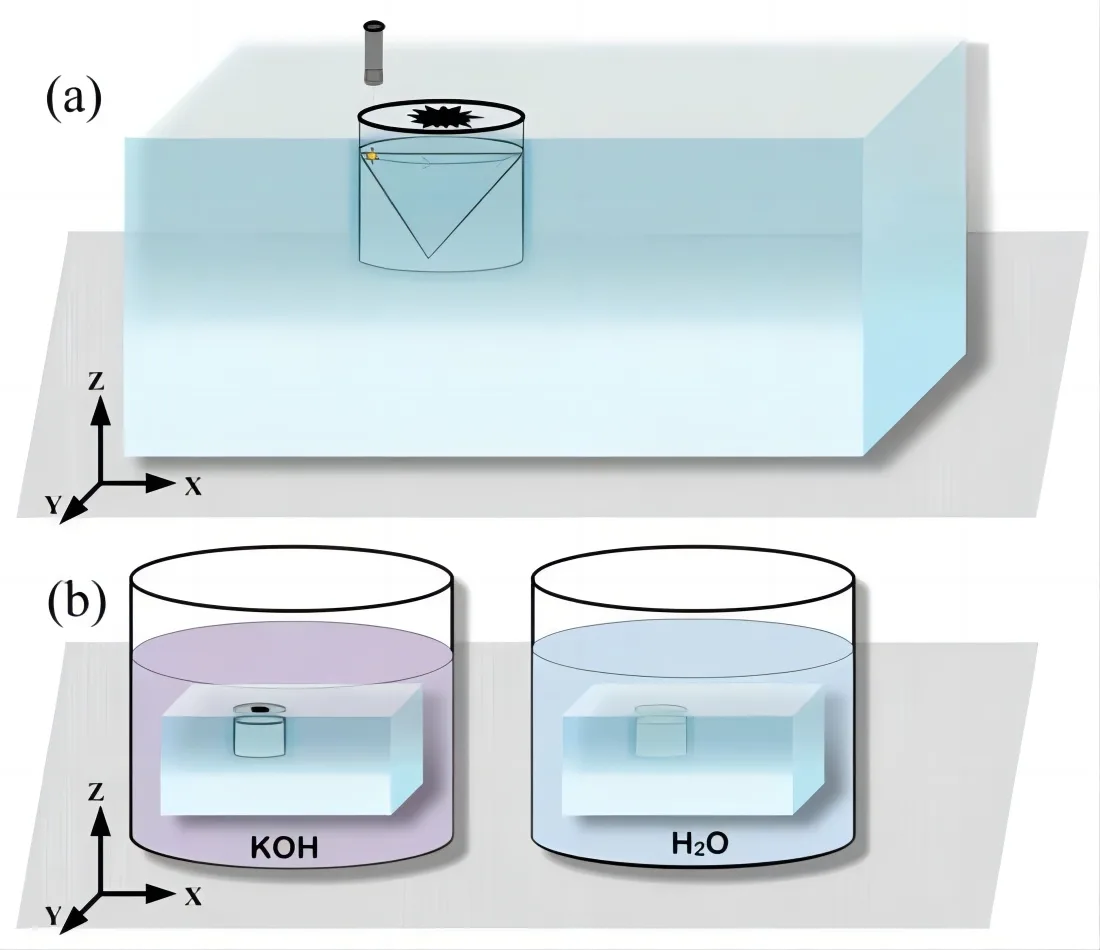
Figure 1: Schematic of the femtosecond laser repair process. (a) modified 3D scanning path; (b) etching and cleaning.
In the field of micro/nano machining, the application of the femtosecond laser is especially broad. By precisely controlling the laser’s energy and focus position, the femtosecond laser can fabricate micron- or even nanometer-scale structures inside a material. This makes the femtosecond laser an ideal tool for fabricating fine structures such as microfluidic devices and photonic crystals.
In materials science, femtosecond-laser volume-modification technology likewise plays an important role. For example, producing fine modified regions inside glass or crystal materials can change the optical properties of the material, which is crucial for making devices with special optical functions such as lasers, optical sensors, and optical waveguides. In addition, femtosecond lasers can also be used to improve the electronic performance of semiconductor materials.
The high precision and high resolution of the femtosecond laser in volume modification give it special value in precision industry and scientific research. With continuous technological development, the application of the femtosecond laser in volume modification is constantly opening new fields, such as biomedicine, energy storage, and information technology.